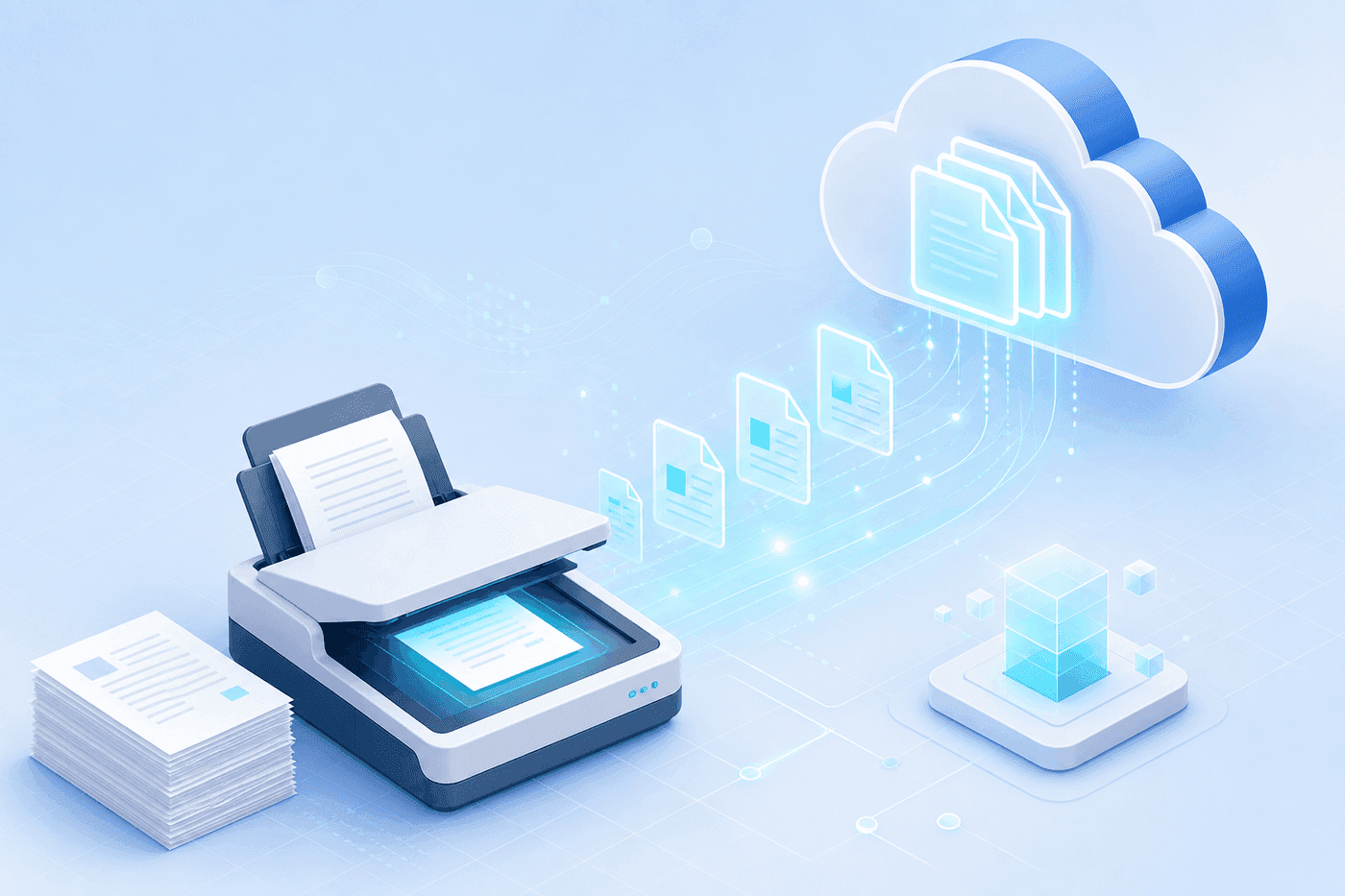
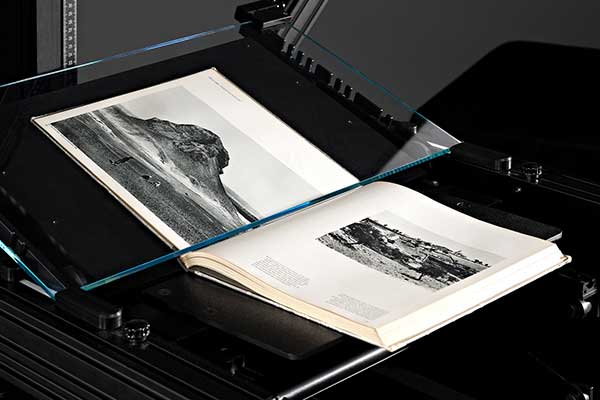
In the digital age, museums face the challenge of preserving fragile artifacts while making historical materials widely accessible. Tailored document scanning services are essential for safeguarding collections like rare manuscripts, photographs, and institutional records, protecting them from deterioration and ensuring their longevity for future generations.
Digitization also enhances accessibility, enabling museums to share their collections globally and reach wider audiences. High-quality digital archives support research, education, and online exhibits, allowing for greater engagement and collaboration. By embracing digitization, museums can protect their legacy while expanding their cultural and educational impact.
Why Digitization Matters for Museums
Document digitization offers numerous benefits for museums:
- Preservation: Protect fragile items from damage, environmental factors, and aging.
- Accessibility: Allow researchers and audiences worldwide to access materials online.
- Searchability: With metadata and indexing, collections become easier to explore.
- Operational Efficiency: Streamline the management of institutional records and archives.
Key Considerations for Museum Document Scanning
- Types of Materials
Museums house diverse and often delicate materials that require specialized care during digitization:- Rare manuscripts and books
- Photographs, slides, and negatives
- Maps, blueprints, and large-format drawings
- Institutional records, correspondence, and ephemera
- Digitization Standards
Museums should adhere to archival-quality standards like FADGI-compliant scanning, which ensures digital reproductions meet preservation guidelines for resolution, color accuracy, and long-term usability. - Metadata Creation
Metadata is critical for organizing and accessing digital collections. Fields like title, creator, date, and description ensure searchability and add context to scanned materials. - Storage and Accessibility
Securely storing and managing digital files is crucial for long-term preservation. Using a document management system like CASO’s EasyFile simplifies storage, access, and sharing while keeping files protected.